Beyond the Bottle: The Green Future of Sparkling Wine in Bag-in-Box Packaging
What wines are currently available for Bag-in-Box packaging?
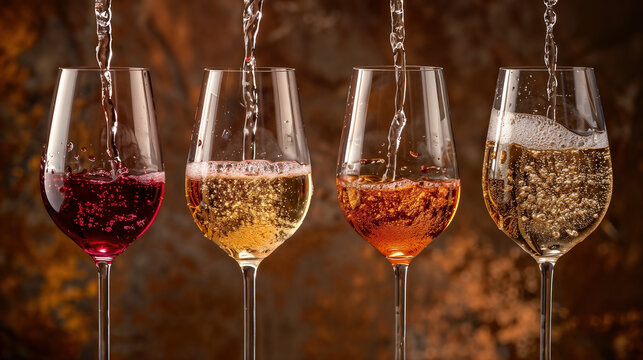
With sparkling wines, carbon dioxide is the predominant factor affecting pressure difference. Typically, sparkling white wines are more suitable for Bag-in-Box packaging than sparkling red wines because the former manage to preserve their sensory features.
White wines: White wines are not as complex and pale as red wines, thus particularly well suited to Bag-in-Box packaging.
Red wines: Solutions are not as plentiful but do exist for sparkling red wines, provided appropriate packaging material is used to maintain internal pressure.
Significant Benefits of Bag-in-Box Packaging
1. Environmental Benefits
Less Greenhouse Gas Emissions: Bag-in-box sparkling wine has a carbon footprint of 0.69kg CO₂e/kg, 41% lower than glass (1.18kg) (Carbon Cloud LCA, 2022).
The outer box is recyclable too, further maximizing the utilization of resources.
2. Costs
Cost of Production: Production, shipping, and storage costs are 30-40% lower than glass (Wanderlust Wine, 2024).
Logistics Costs: 50% reduced storage space, breakage rate falls from 8% for glass to 0.5%, and logistics efficiency improves by 35%.
3. Consumer Experience
Convenience: No corkscrew required, design of tap facilitates controlled flow, and box is easy to carry.
Quality Assurance: The light-proof and oxygen-proof packaging ensures shelf life of 18 months for open bottles without any wraps and 6 weeks of freshness after opening, eliminating the hurting spot of leftover wine and wastage.
Case Studies and Future Prospects
1. Market Practice
When in Rome: A British startup brand has only 2.25L bag-in-box packaging, achieving a 210% sales growth and 47% repurchase rate in 2023 (Beverage Daily, 2022).
Boisset Collection: Launched the “Boxed Bubbly” Prosecco range, which obtained carbon labeling status and was a best-seller at Whole Foods in the US.
2. Challenges and Opportunities
Cognitive Shift: Only 12% of consumers associate bag-in-box with high-quality wines (Wine Intelligence, 2023), and brand education must be done to dispel the “cheap” image.
Technological Potential: Bio-based PE liners are being developed and will be 100% compostable by 2026, further reducing environmental impact.
Conclusion
Bag-in-box packaging is a green innovation for the sparkling wine industry by means of material technology, efficiency improvement, and circular design. Its several advantages from environmental and economic to customer experience are driving its move from niche to mainstream product. Through technological innovation and policy encouragement, bag-in-box can capture 25% of sparkling wine pack market in the next five years and become a model option for green consumption.